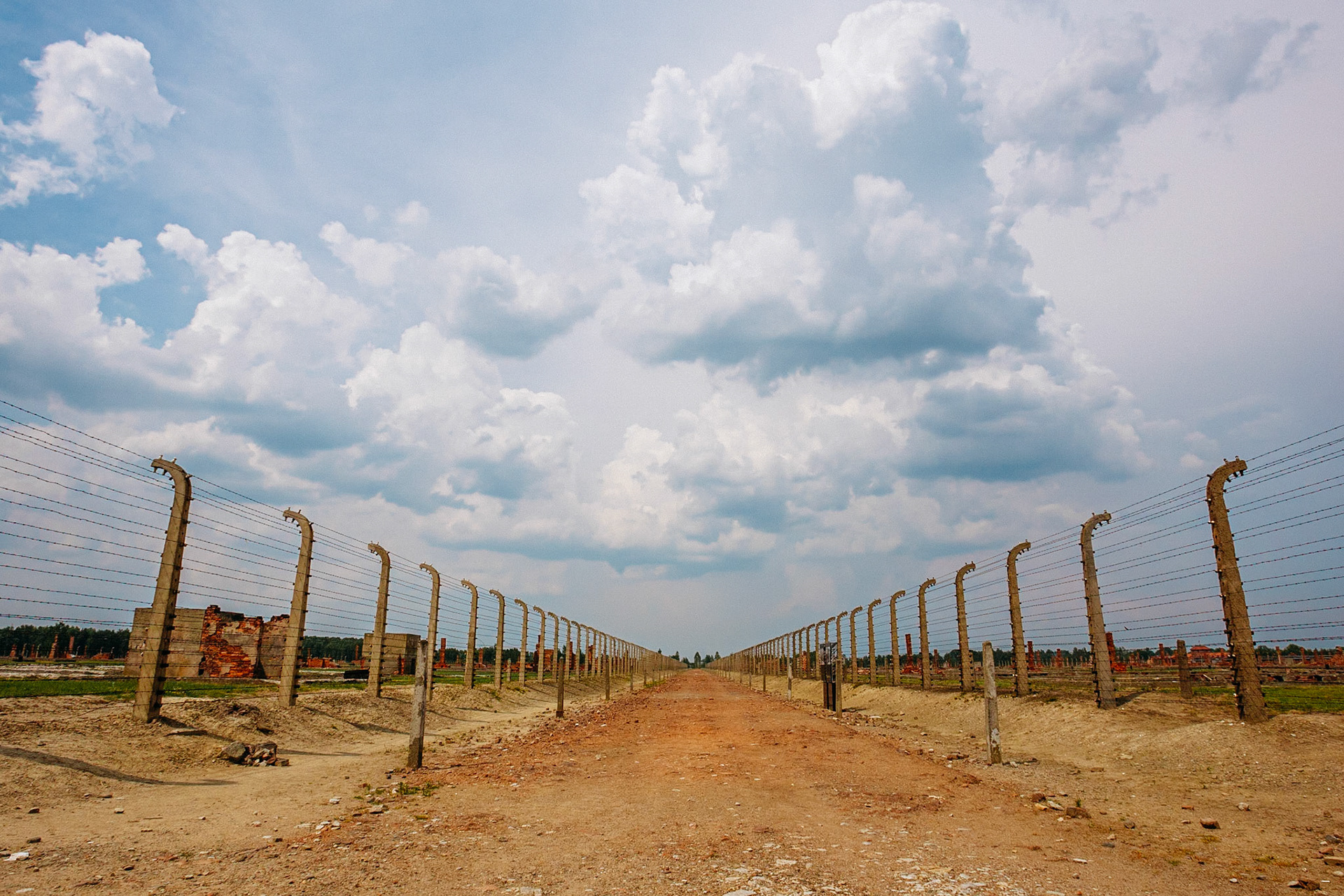
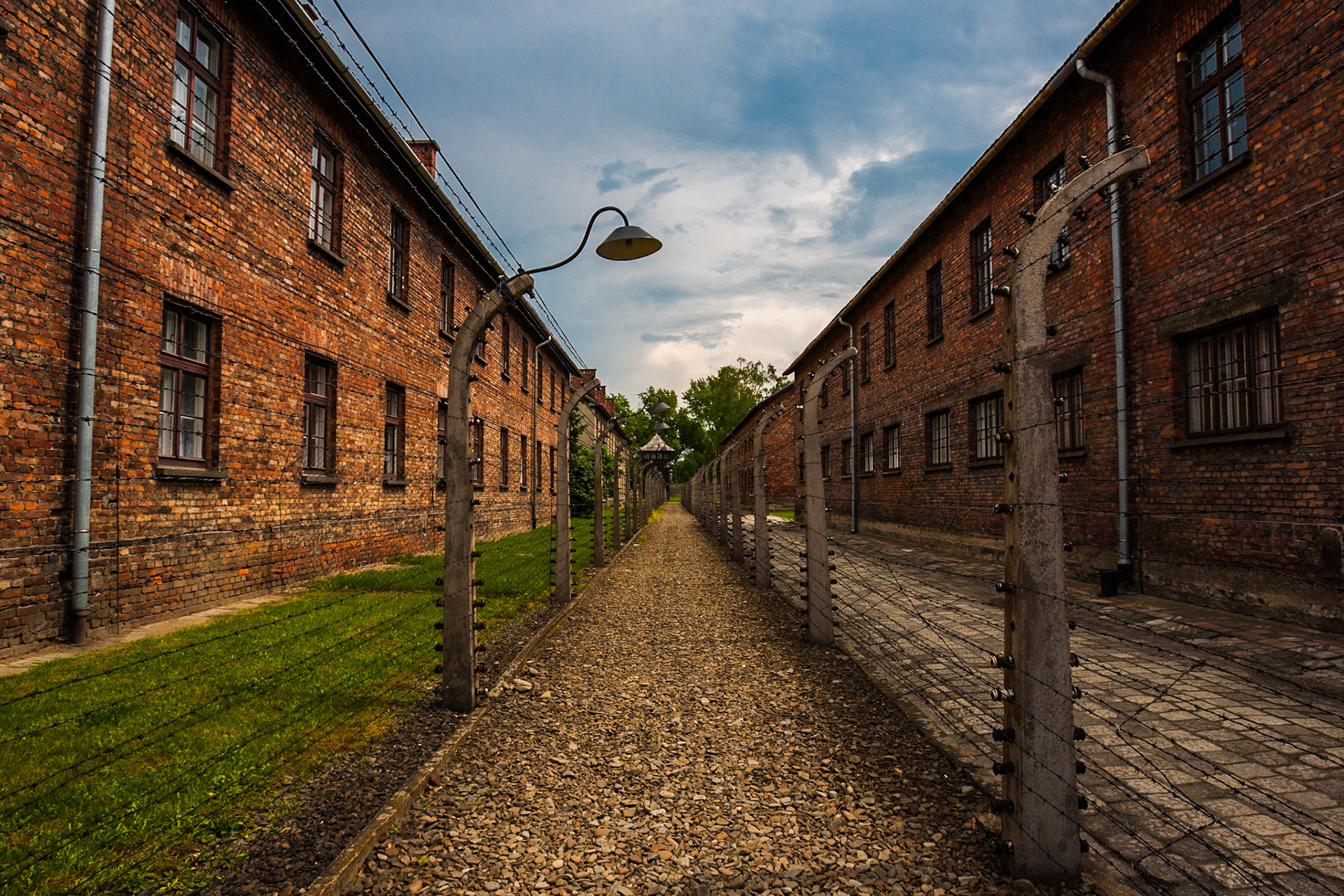
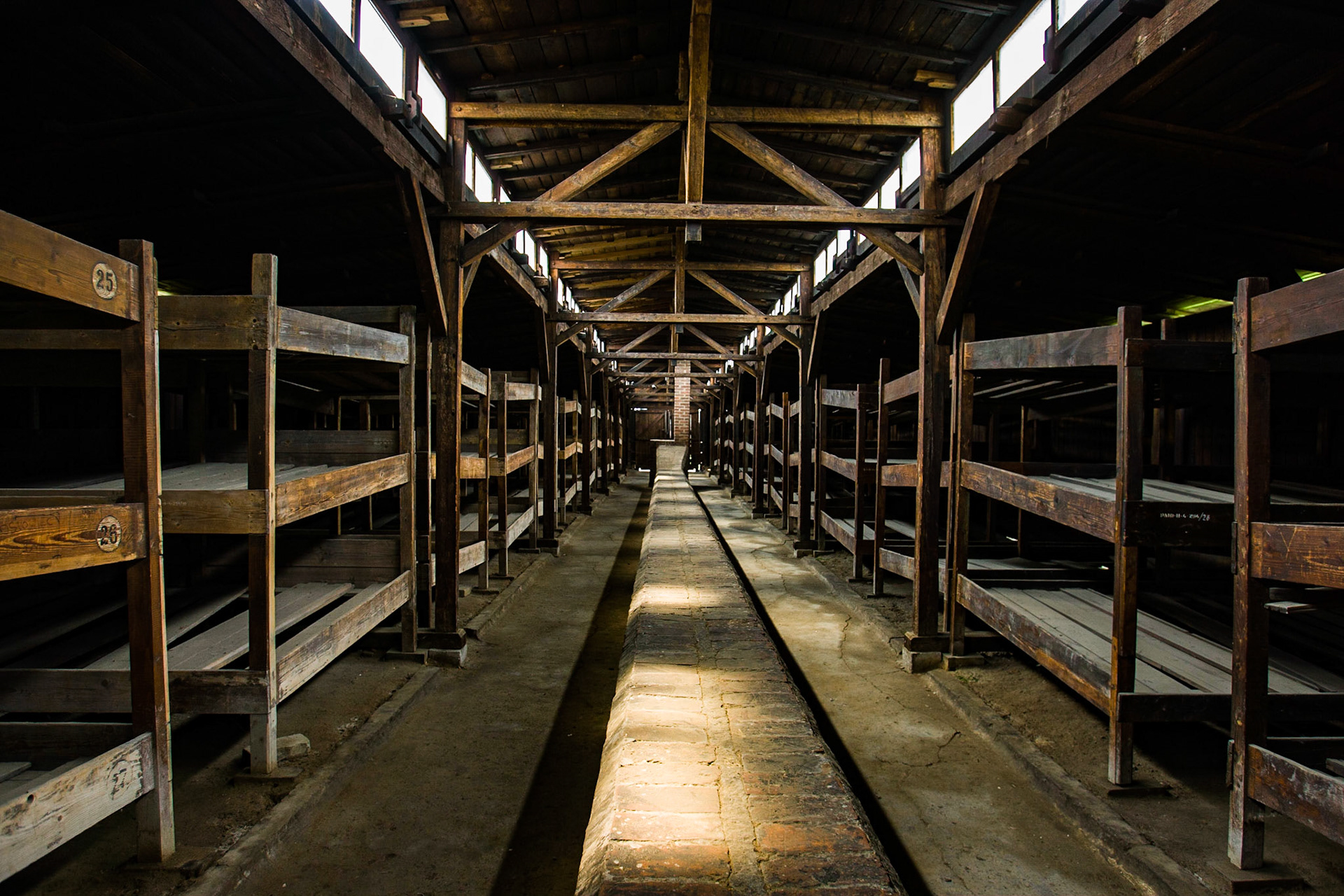
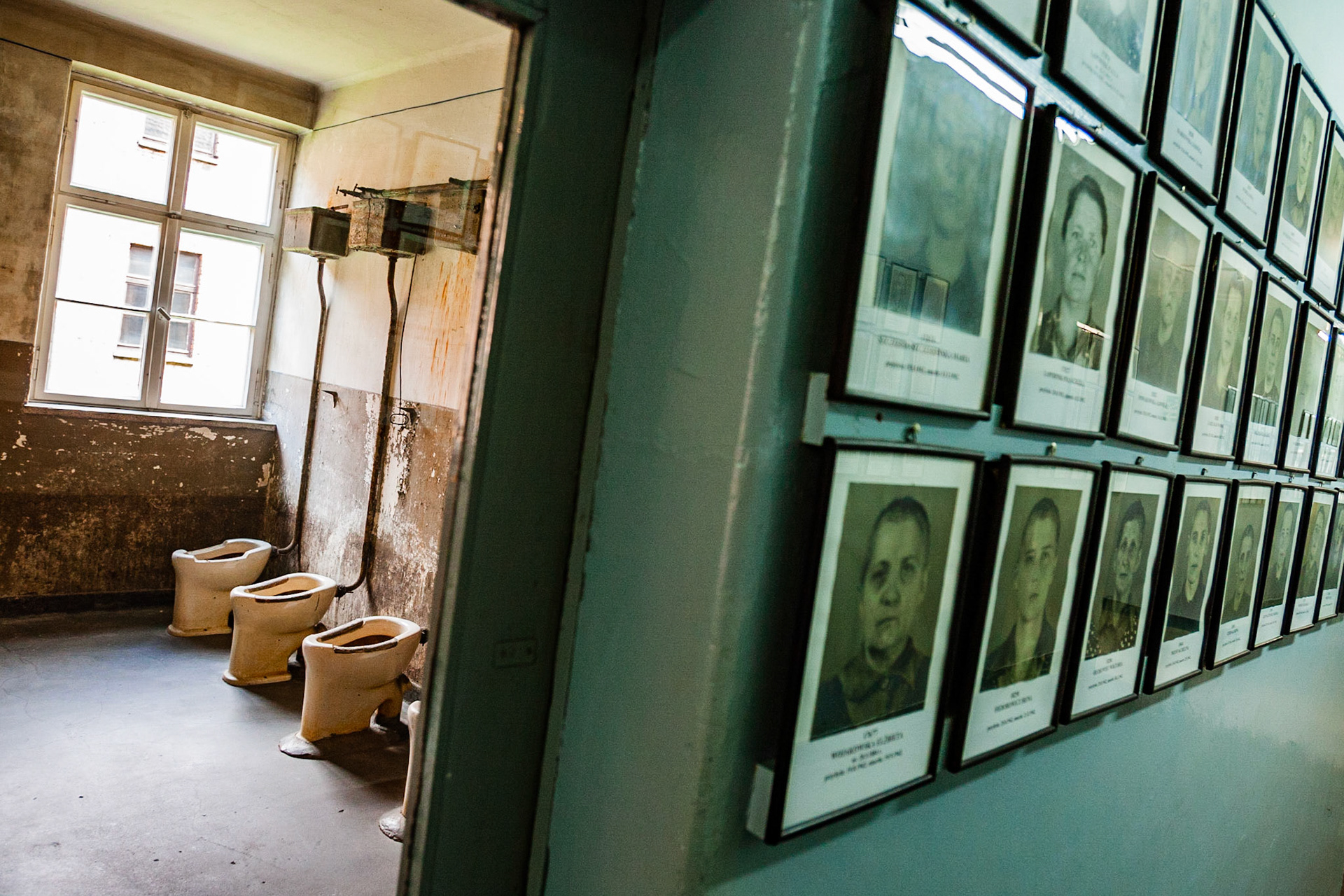
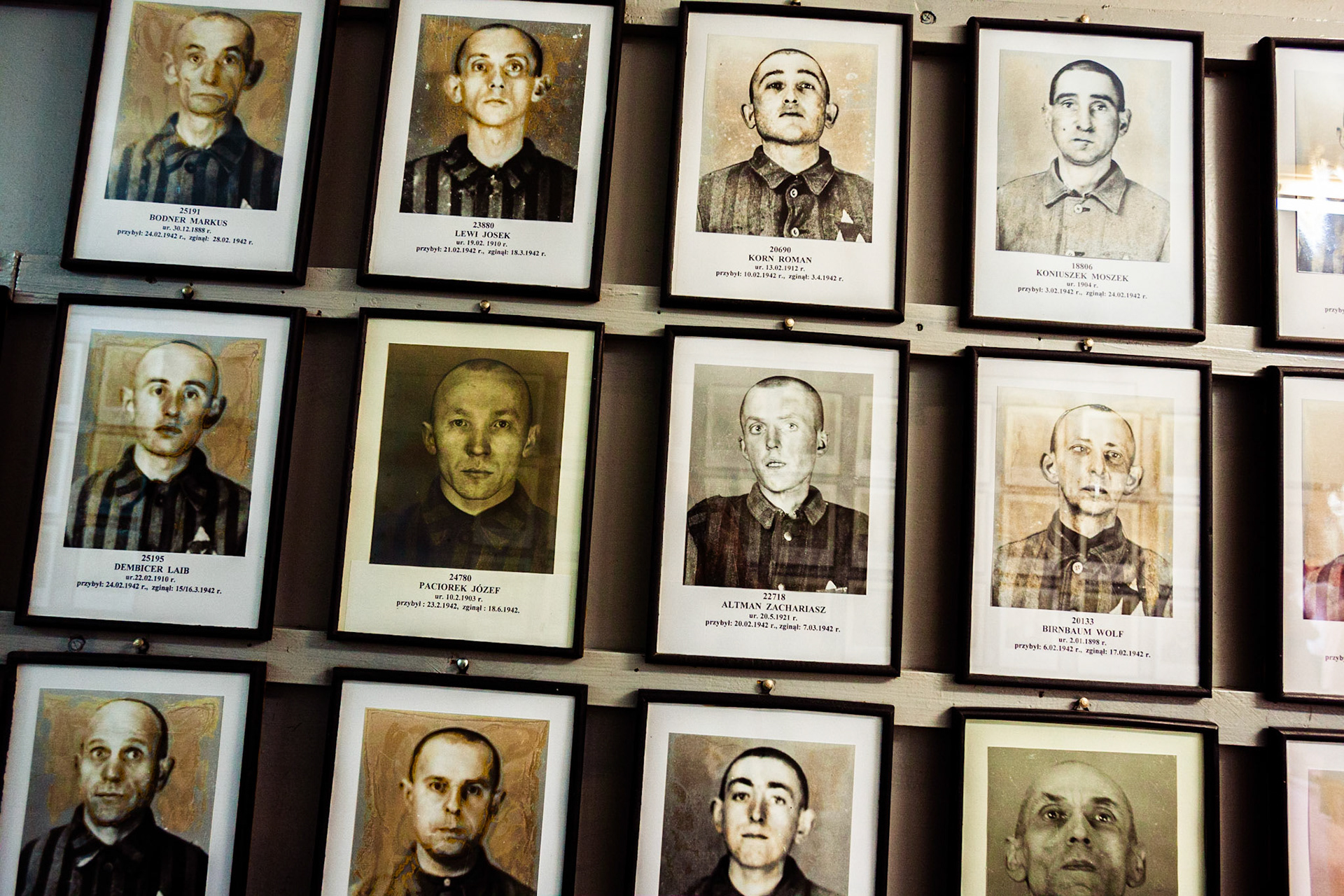
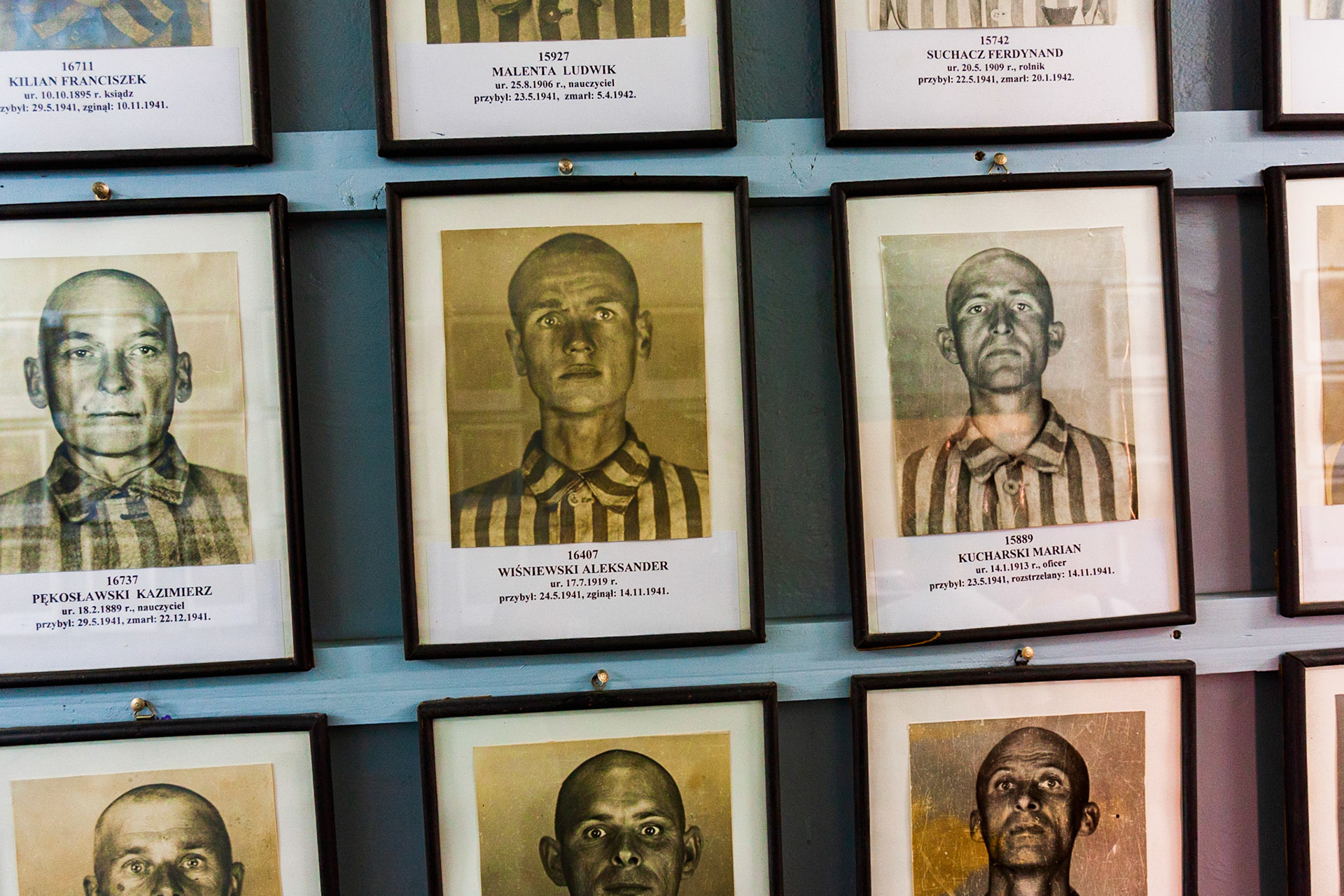
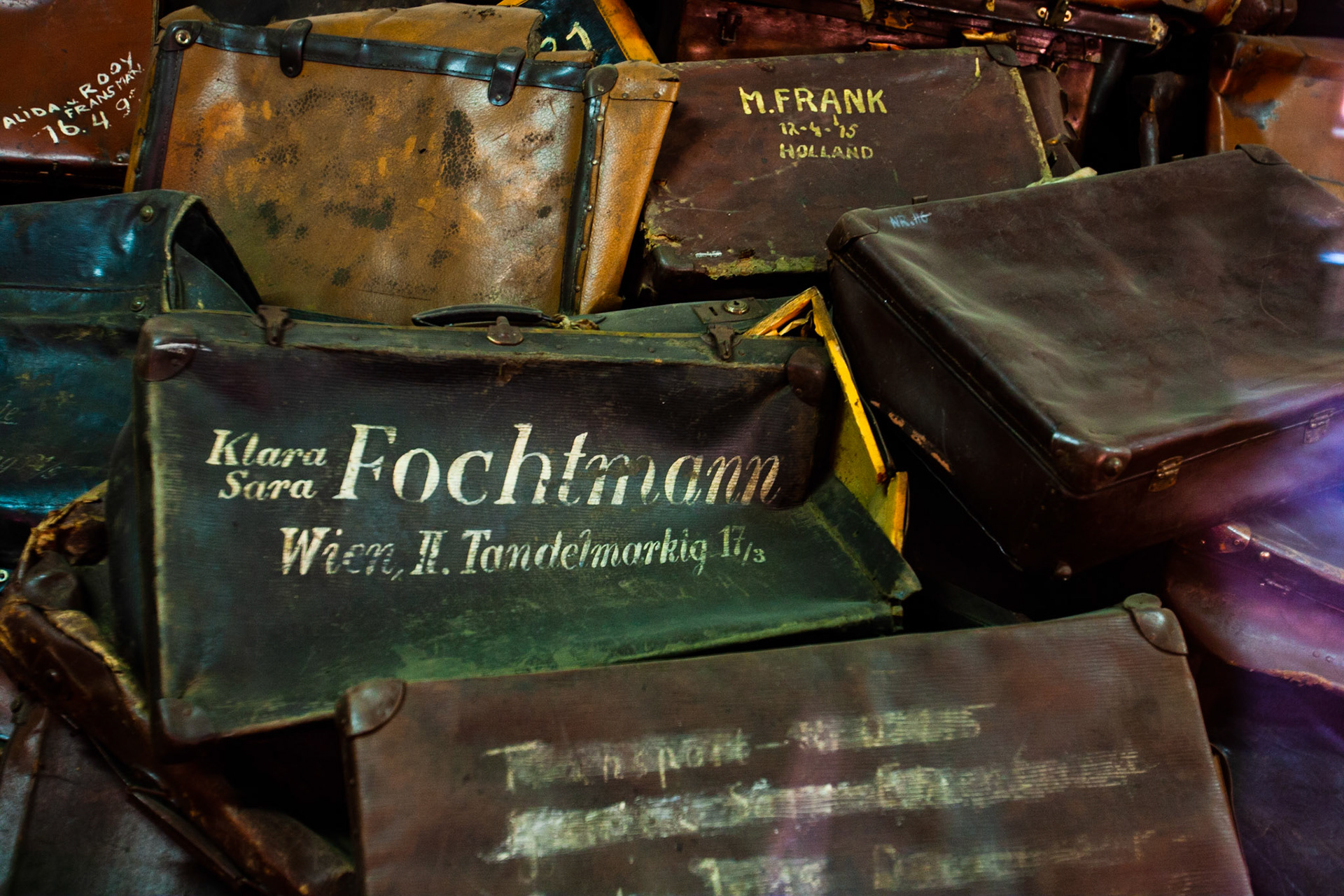
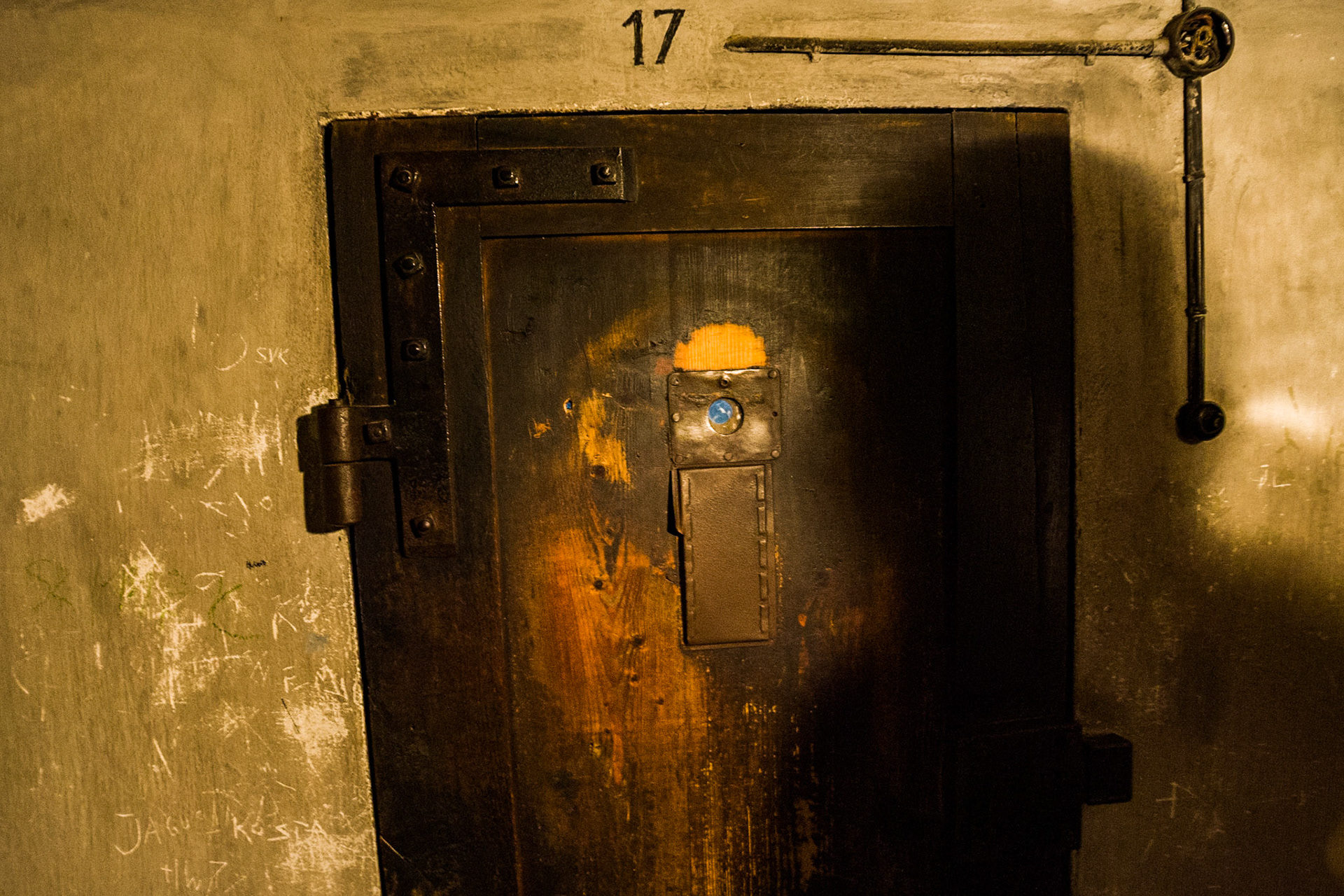
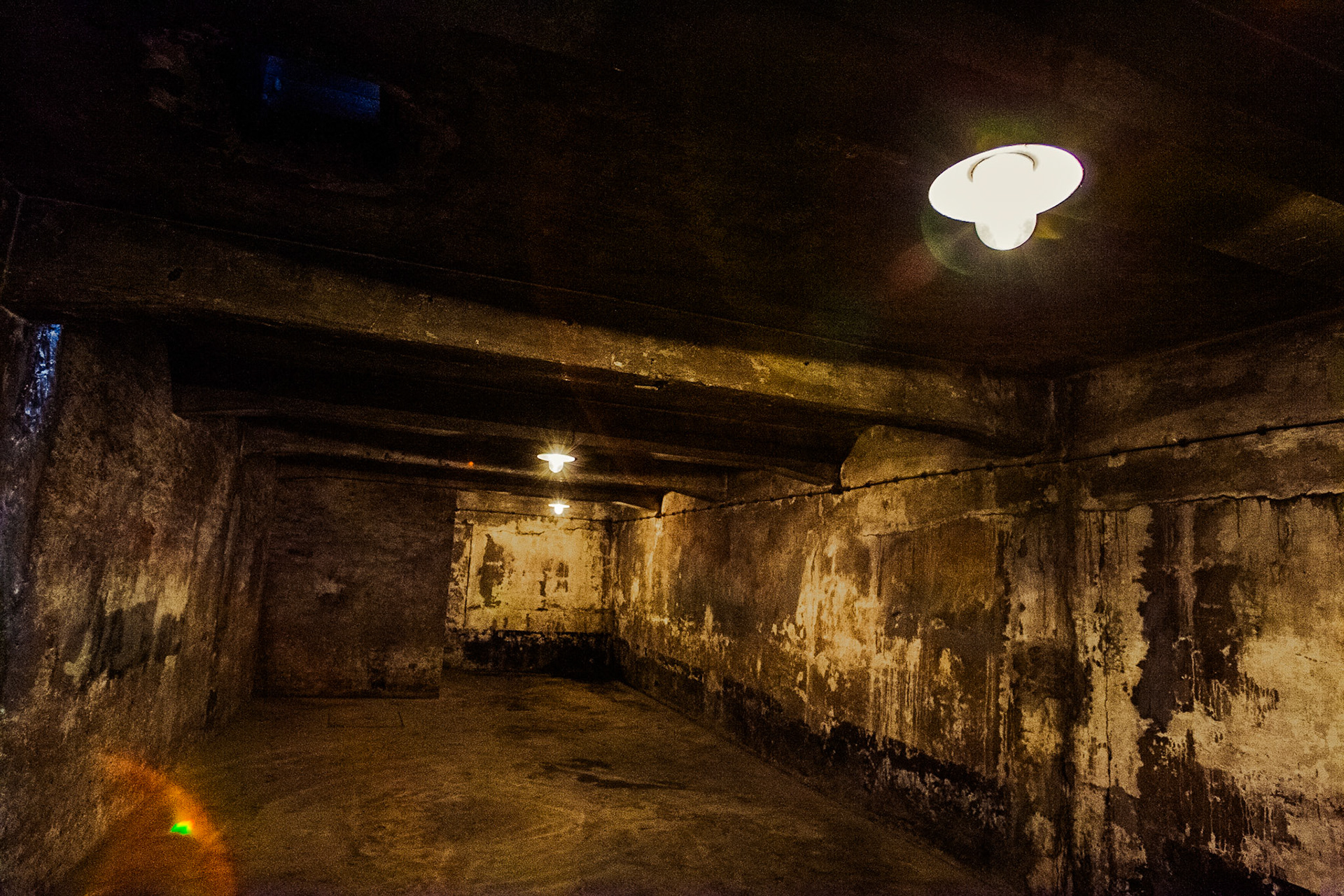
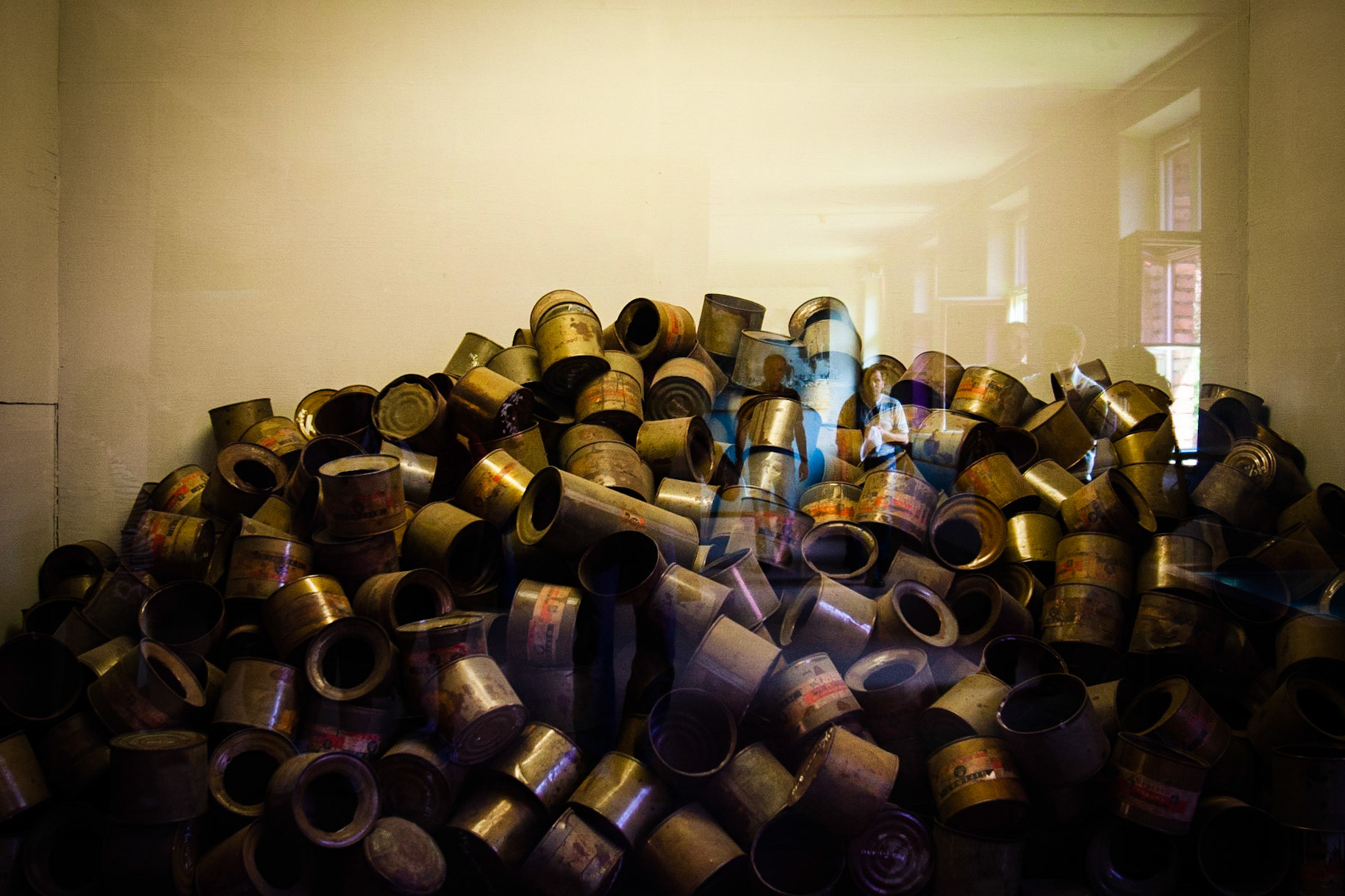
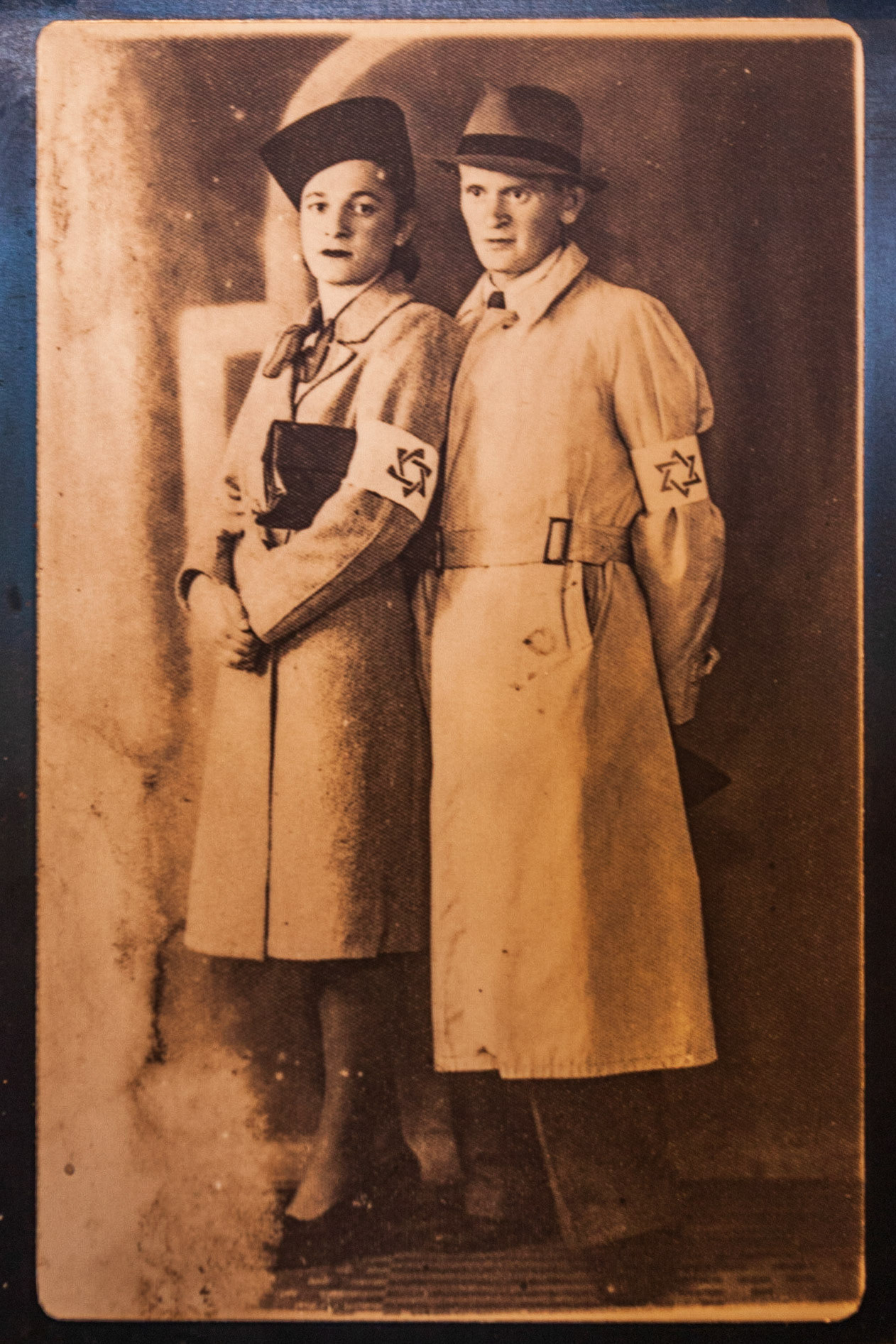
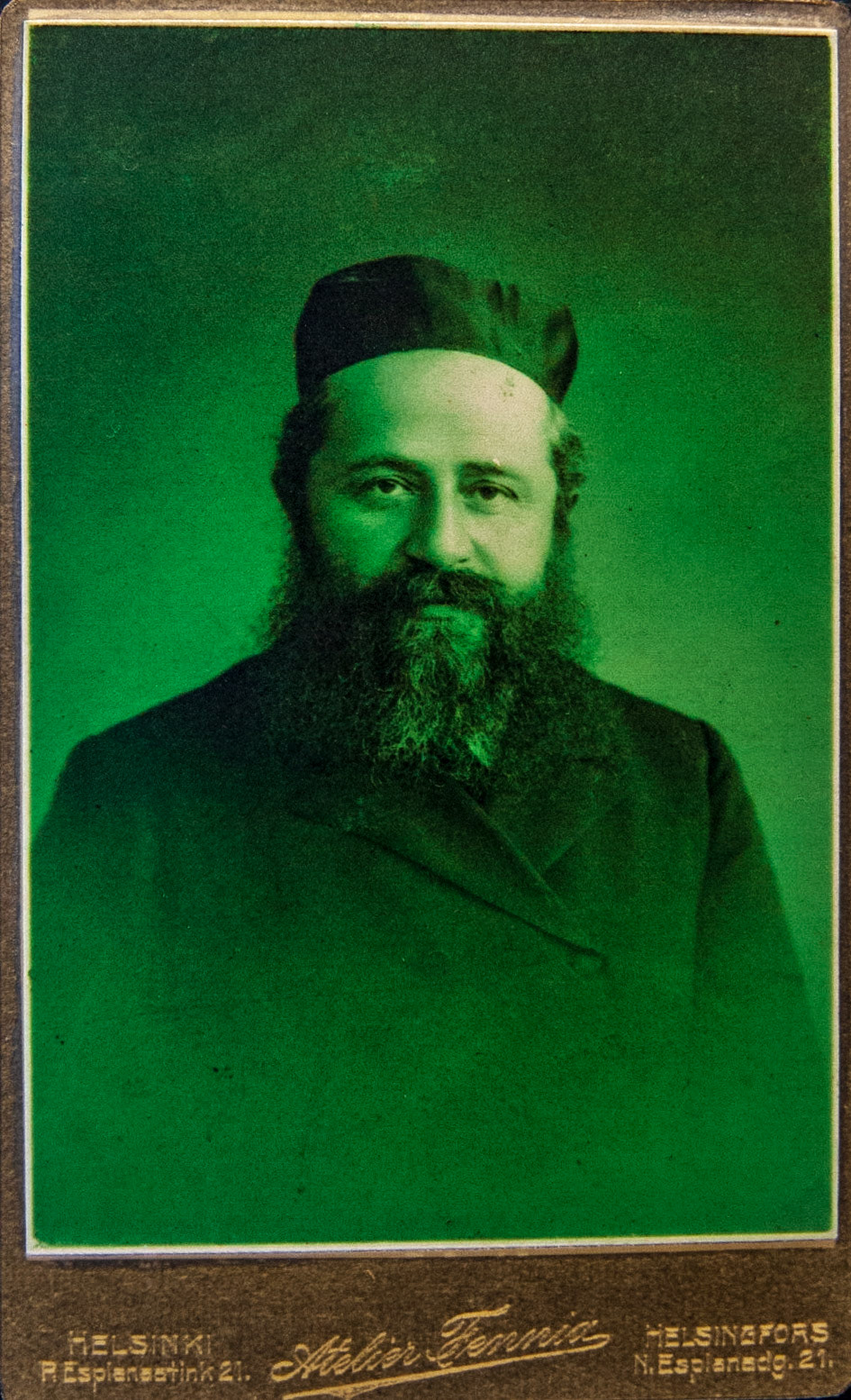
Auschwitz-Birkenau was the largest complex of Nazi concentration and extermination camps established by Nazi Germany during the Second World War in occupied Poland. Between 1940 and 1945, more than 1.1 million people were murdered at Auschwitz, the vast majority of them Jews. Other victims included Poles, Roma and Sinti, Soviet prisoners of war, and people persecuted by the Nazi regime for political, religious, or social reasons. Today the site stands as a memorial and museum preserving the remains of the camp system and the memory of its victims. This photographic essay documents the preserved spaces and material traces of Auschwitz-Birkenau as they exist today, reflecting on the physical landscape of one of the most significant sites of the Holocaust.